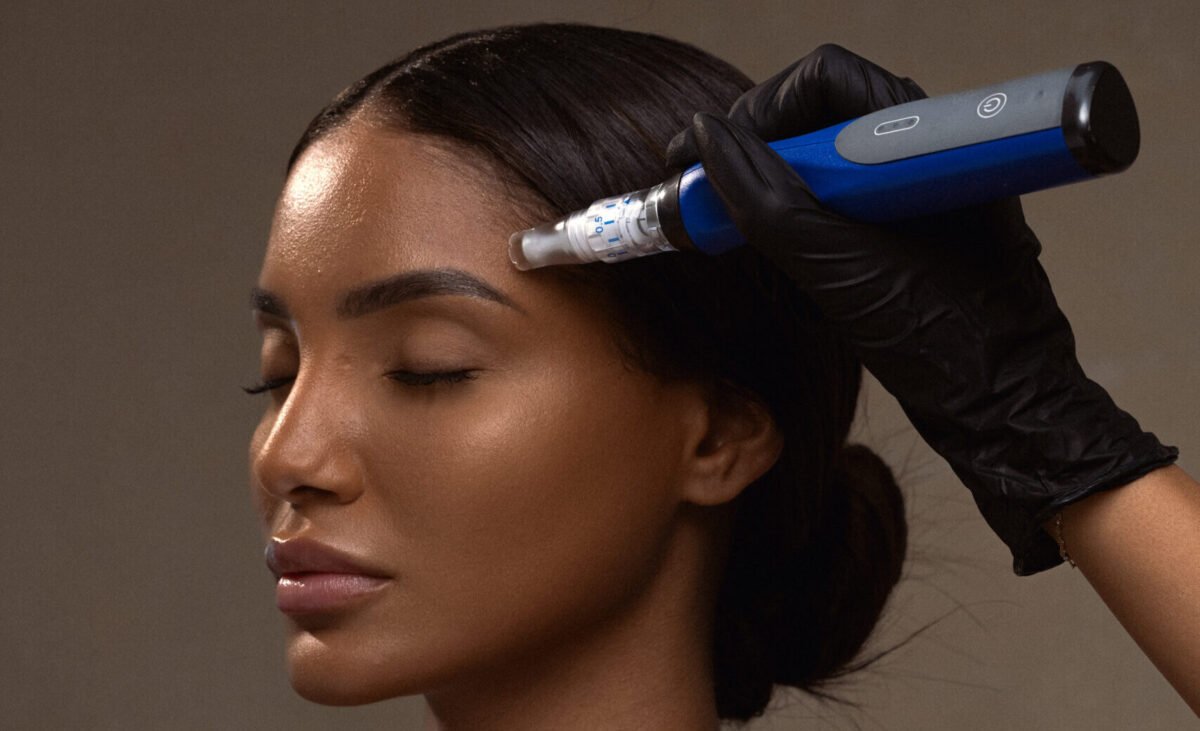

There is a meaningful difference between applying an active ingredient to the surface of the skin and placing it precisely within the dermal layer where it can do its most effective work. This is the principle behind intradermotherapy—a technique that uses micro-injections to deposit a carefully selected combination of active substances directly into the dermis, bypassing the skin’s surface barrier and delivering ingredients at the depth where the cells responsible for skin quality actually reside.
It is not a filler. It does not add volume or alter facial structure. What it does is improve the intrinsic quality of the skin from within—its hydration, firmness, luminosity, and resilience.
Intradermotherapy for the Face: How Skin Boosters Work and What Patients Can Expect
What intradermotherapy actually is
Intradermotherapy—also referred to in clinical contexts as mesotherapy or biorejuvenation—is a technique developed in Europe and now widely practiced in medical aesthetic settings globally. It involves the administration of micro-quantities of active substances into the middle layer of the skin through a series of very fine, superficial injections delivered in a systematic pattern across the treatment area.
The procedure targets the dermis rather than the deeper tissues—distinguishing it from volumizing fillers, which are placed beneath the dermis, and from topical skincare, which cannot penetrate past the epidermis in meaningful concentrations.
What is injected and why it matters
The formulation used in an intradermotherapy session is selected by the physician based on the patient’s skin assessment and treatment goals. Common components include hyaluronic acid (for deep hydration and tissue density), vitamins—particularly vitamin C and B complex—for antioxidant support and brightening, amino acids that provide the building blocks for collagen synthesis, and minerals such as zinc and magnesium that support cellular function.
The combination of these ingredients acts synergistically: the hyaluronic acid creates a hydrating reservoir within the dermis, the vitamins address oxidative stress and pigmentation, and the amino acids and minerals support the skin’s own structural maintenance. The formulation can be adjusted at each session based on how the skin responds.
How the treatment works mechanically
The micro-injections themselves trigger a physical response independent of their biochemical content. The fine needle punctures create a controlled stimulation of the dermis—activating fibroblasts and initiating a local healing response that increases collagen and elastin production. This mechanical stimulation, combined with the prolonged release of active ingredients from the depot effect of the injected substances, produces a cumulative improvement over successive sessions.
This dual mechanism—biochemical nutrition and mechanical stimulation—is what distinguishes clinical intradermotherapy from any topical skincare routine, regardless of the quality or concentration of the ingredients involved.
What conditions does it address?
Intradermotherapy is clinically indicated for skin dehydration and dullness, loss of skin density and firmness, fine lines caused by structural thinning rather than muscle movement, uneven tone and mild hyperpigmentation, and the general reduction in skin quality associated with environmental aging and sun exposure. It is particularly effective for patients whose skin looks tired or flat rather than specifically lined or volumetrically depleted.
For clinical reference on skin hydration and tissue quality studies, the National Institutes of Health maintains published research on mesotherapy and biorejuvenation at ncbi.nlm.nih.gov.
What a treatment session involves
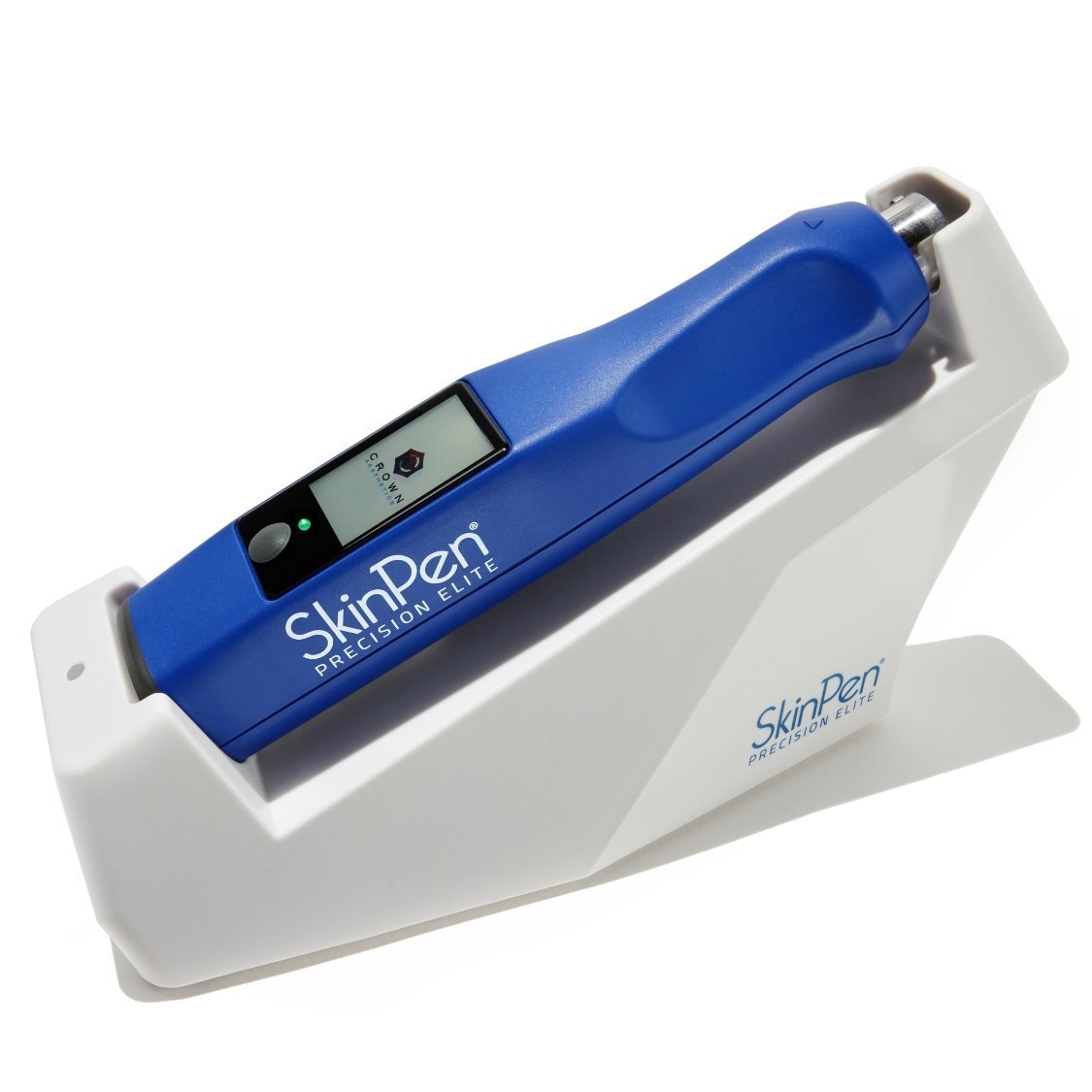
The session begins with a thorough skin cleansing. A topical anesthetic may be applied beforehand, though most patients find the sensation from the micro-injections—a series of very brief, superficial pinches—entirely manageable without one. The physician systematically covers the treatment area using either manual injection technique or a mesogun, a device that standardizes injection depth and spacing. A full-face session typically takes between 30 and 45 minutes.
There is minimal downtime. Some patients experience mild redness and pinpoint marks at the injection sites immediately after treatment, which typically resolve within a few hours to a day.
How many sessions are needed?
A standard protocol involves three sessions spaced two to four weeks apart. Improvement is cumulative—patients generally notice a gradual brightening and improvement in skin texture beginning after the first or second session, with the most significant result visible after completing the initial series. Maintenance sessions every four to six months sustain the results over time.
At Redna Aesthetics in Puerto Vallarta, intradermotherapy formulations are selected by a certified physician based on each patient’s individual skin assessment. All consultations and treatments are conducted in English, in a private and medically rigorous setting. Visit rednaaesthetics.com to schedule your appointment.