
What to Look for Before Choosing a Medical Aesthetic Clinic
Choosing a medical aesthetic clinic is not the same as choosing a spa or a salon. The treatments performed—injections, chemical agents, and devices that penetrate the skin—carry real physiological effects, and when misapplied, real risks. The aesthetic medicine market has expanded rapidly in recent years, and not all providers operate under the same standards of training, medical oversight, or product quality.
Most patients do not realize how much variation exists between providers until something goes wrong. A more useful approach is to understand what to look for before the appointment—and what to walk away from if it is absent.
How to Choose a Medical Aesthetic Clinic: Credentials, Consultation, and Red Flags That Matter
Medical supervision is non-negotiable
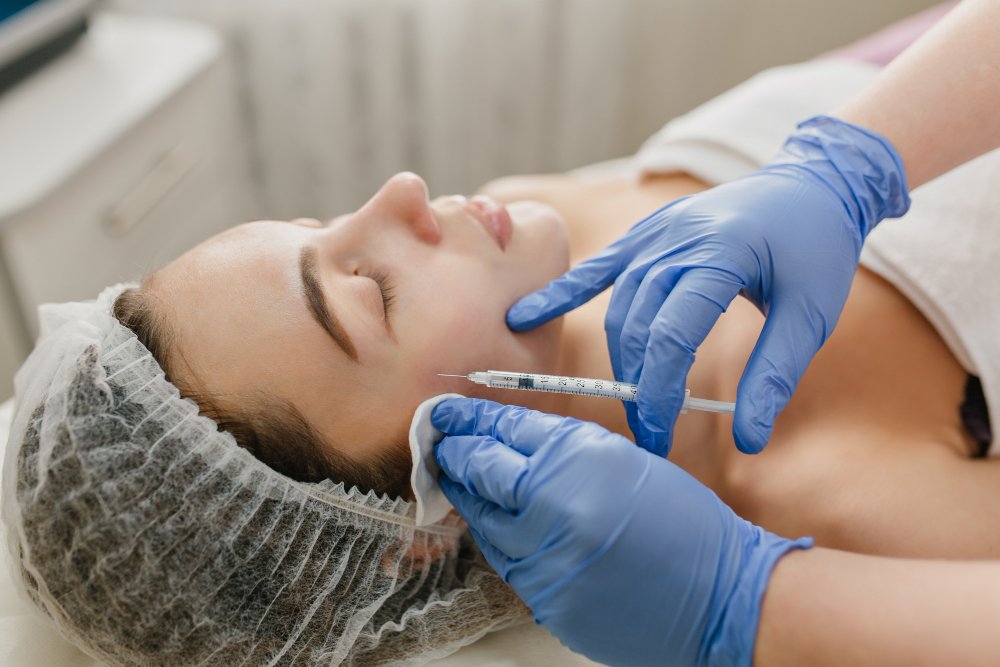
An aesthetic clinic is a medical environment. The treatments on its menu should be performed by—or under the direct, on-site supervision of—a licensed physician with specific training in aesthetic medicine. This is not a formality: it is the difference between a provider who can recognize and manage a complication and one who cannot.
When you contact or visit a clinic, it should be immediately clear who the supervising physician is, what their qualifications are, and whether they are physically present during treatments. This information should be offered proactively, not require effort to extract. In Mexico, physicians’ credentials are publicly verifiable through the Cédula Profesional number issued by the Secretaría de Educación Pública, searchable at cedulaprofesional.sep.gob.mx.
Products and protocols matter as much as technique
Even the most skilled injector cannot compensate for a substandard product. Reputable aesthetic clinics use only products approved by official regulatory agencies—in Mexico, this is COFEPRIS (Comisión Federal para la Protección contra Riesgos Sanitarios); in the United States, the FDA. Products purchased outside authorized distribution channels—a common cost-cutting practice in unlicensed settings—carry risks that no level of technical skill can neutralize.
Ask directly: what products do you use, and are they COFEPRIS or FDA approved? A confident, specific answer is a good sign. Evasiveness or a change of subject is not.
The consultation tells you almost everything
A thorough consultation is the clearest signal of a clinic’s clinical standards. A physician who reviews your health history in detail, asks about medications and prior aesthetic treatments, assesses your face carefully from multiple angles, and explains their reasoning before recommending anything is demonstrating a level of care that translates directly into safer, better-calibrated treatment.
Conversely, a consultation that lasts only a few minutes, skips medical history entirely, moves immediately to the most comprehensive treatment package, or substitutes clinical assessment with a portfolio of before-and-after photographs should prompt serious pause. The consultation is not a sales call—it is a medical assessment.
Red flags worth knowing before you book
Some warning signs are straightforward. Prices significantly below market average for equivalent services, high-pressure promotions framed as “limited time only,” a reluctance to discuss the physician’s qualifications, and the absence of written treatment information or aftercare instructions are all worth noting.
A clinic that discourages questions—or makes you feel that asking about safety is somehow inconvenient or unnecessary—is not operating at the level of care that any aesthetic procedure requires. The environment of the clinic itself also communicates something: a clean, organized, medically equipped space reflects the standards the team applies to everything else.
Practical questions to ask before your first appointment
Before committing to any treatment, it is worth asking: who will perform my treatment, and what is their medical training and certification? What products will be used, and are they officially approved for use in this country? What are the most common side effects of this procedure? What happens if I experience a complication—and is the clinic equipped to manage it? What does aftercare involve, and will I receive written instructions?
The answers to these questions, and the manner in which they are delivered, will tell you more than any social media review.
What distinguishes a medical aesthetic clinic from a med spa
The term “med spa” covers a wide range of operations, from fully physician-led clinics with rigorous protocols to spaces where the medical presence is minimal or nominal. The distinction that matters is not the name, but the actual structure: who holds the medical license, who is present during treatment, what products are used, and what happens if something goes wrong. A genuine medical aesthetic clinic is one where the physician is central to the patient’s care—not a credential listed on a website while someone else performs the procedure.
At Redna Aesthetics in Puerto Vallarta, all procedures are performed by a certified physician using only COFEPRIS-approved products. Every appointment begins with a comprehensive medical consultation, conducted entirely in English, with no pressure and no rush. You can learn more and schedule your visit at rednaaesthetics.com.