
Neuromodulator Treatments: What No One Tells You Before Your First Appointment
Few aesthetic treatments carry as much cultural noise as neuromodulator injections. Somewhere between the frozen-looking celebrity photographs that circulate on the internet and the before-and-after images that seem too dramatic to trust, there is a quieter version of this treatment—one practiced daily in well-run medical aesthetic clinics, on patients who walk out looking like a rested, well-slept version of themselves rather than a different person entirely.
Botulinum toxin type A works precisely because it is temporary and targeted. Understanding how it works, what it cannot do, and what an appropriately conservative outcome actually looks like is the most useful preparation for anyone considering the treatment for the first time.
Botulinum Toxin Type A for the Face: How It Works and What It Can Realistically Achieve
The mechanism behind the treatment
Botulinum toxin type A is a purified protein that temporarily interrupts the signal between a nerve and the muscle it controls. In aesthetic medicine, it is used in precise, highly diluted doses to reduce muscle activity in specific areas of the face. When a facial muscle stops contracting—or contracts with significantly less force—the overlying skin relaxes, and the lines that formed from years of repeated expression soften.
The effect is not permanent. Over a period of three to six months, nerve signaling gradually returns and muscle activity resumes. This is one of the reasons it has such a well-established safety profile in aesthetic practice: no structural changes are made, and the body returns to its baseline state on its own.
Which areas of the face can be treated
The most common treatment sites are the forehead (horizontal lines formed when raising the brows), the glabellar region between the brows (vertical frown lines), and the outer corners of the eyes (crow’s feet). Physicians with specialized training also use neuromodulators to create a subtle brow lift, address neck bands, soften chin dimpling, and manage jaw tension associated with clenching or grinding.
Each injection site requires a precise understanding of the underlying anatomy. Poorly placed injections can produce asymmetry or an unintended heaviness of the brow—which is why the injector’s training and clinical judgment matter as much as the product itself.
Will I look frozen?
This is the most common concern among new patients, and it stems from a real phenomenon: when the treatment is applied with too high a dose or too broadly, the result is a face with limited expressiveness. A well-executed neuromodulator treatment does not produce that outcome.
The global consensus among aesthetic physicians is to use the minimum effective dose that achieves the patient’s goal, preserve natural movement wherever possible, and individualize every treatment plan based on the patient’s anatomy and preferences. A conservative dose that softens a line while preserving expressive movement is typically far more satisfying—and far more sustainable as a long-term approach—than one that eliminates all animation from the treated area.
How long does the effect last?
Most patients see results begin to emerge between three and seven days after treatment, with the full effect visible by the two-week mark. The outcome generally lasts between three and six months, depending on the individual’s metabolism, the area treated, and the dose used. With consistent, appropriate treatment over time, some patients find that the intervals between appointments can gradually extend.
What to expect on the day of treatment
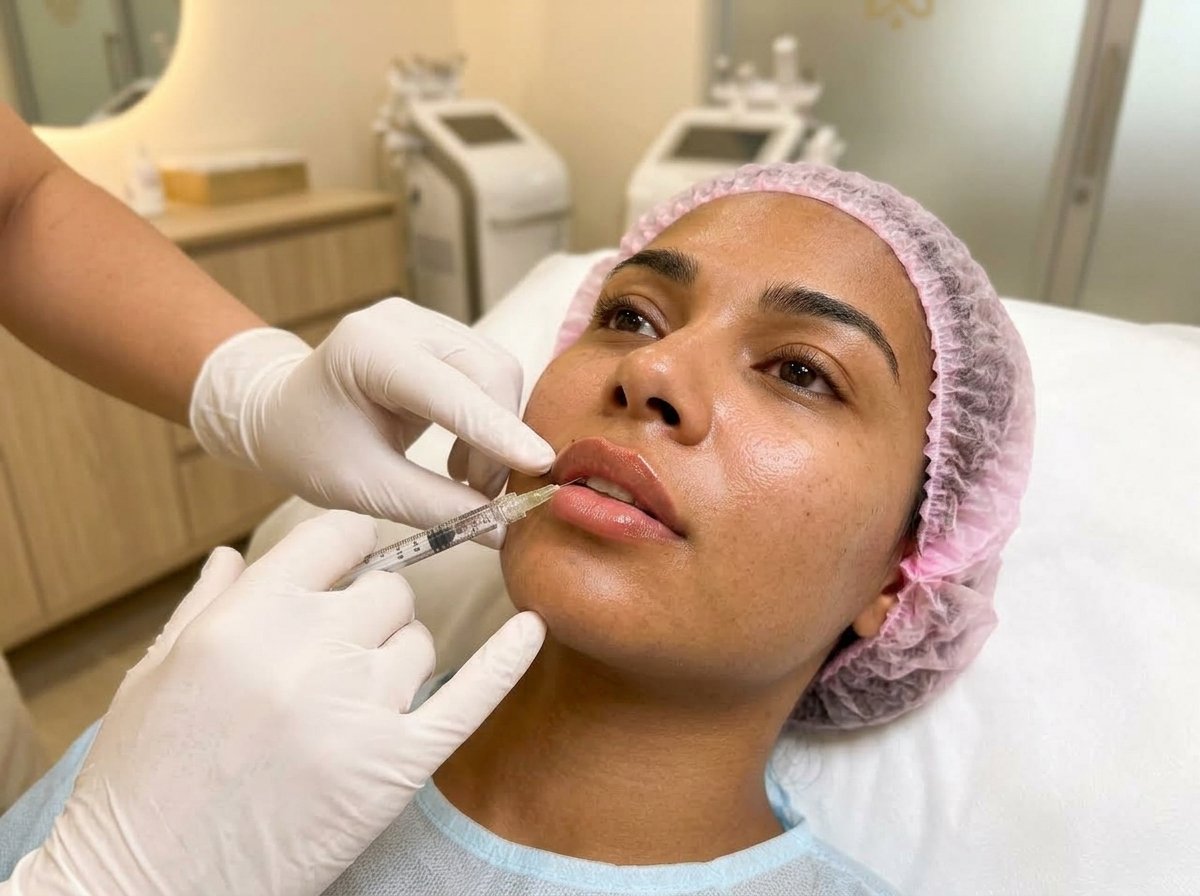
The appointment is brief—typically between 20 and 40 minutes, including consultation time. No special preparation is required beyond arriving with clean skin and having communicated any medications or supplements you take regularly (particularly blood thinners, which may increase bruising). The injections themselves take only a few minutes. There is no downtime, and most patients return to normal activities immediately.
Some mild redness or tenderness at the injection sites is normal and generally resolves within a few hours.
Side effects and what is genuinely rare
The most commonly reported effects are temporary and minor: light bruising, a mild headache, and brief tenderness at the injection points. Serious complications are rare when the treatment is performed by a trained physician using an approved product. A temporary, subtle heaviness of the eyelid—known as ptosis—can occur if the product migrates beyond the intended injection area, but this resolves on its own as the effect gradually wears off over the following weeks.
For detailed clinical reference, the American Society of Plastic Surgeons provides patient information on neuromodulator procedures at plasticsurgery.org.
Who makes a good candidate
Botulinum toxin type A is appropriate for adults with dynamic lines—wrinkles that form primarily when the face is in motion. It is not effective for static lines, meaning lines that remain visible even at rest, which typically require a different treatment approach. A physician consultation is the only reliable way to determine whether neuromodulators, a complementary treatment, or a combination approach will address your specific concerns.
The treatment is also increasingly sought by patients in their twenties and thirties who want to slow the formation of lines before they become deeply set—an approach sometimes referred to as preventative aesthetic medicine.
If you have questions about neuromodulator treatments and want to understand what a conservative approach would look like for your face specifically, a consultation is the right first step. At Redna Aesthetics in Puerto Vallarta, appointments are conducted in English in a relaxed and private environment. Visit rednaaesthetics.com to schedule your consultation.