
What Patients Often Get Wrong About Aesthetic Medicine: Common Myths Addressed
Aesthetic medicine has accumulated a remarkable number of myths. Some originate from outdated treatments that are no longer in use. Some are extrapolations from cases where poorly executed procedures produced highly visible results and were widely shared online. Others are fears that circulate far faster on social media than the clinical evidence that would quiet them.
The result is that many people who would genuinely benefit from a consultation arrive with a set of beliefs about what injectable treatments do, how they feel, and what happens if they stop—beliefs that do not reflect current medical practice. The following is a direct, clinically grounded response to the most common ones.
Aesthetic Medicine Myths vs. Reality: What Clinical Practice Actually Shows
Myth: “It will be obvious that I’ve had something done”
This is the most persistent concern, and it describes a real phenomenon—but not an inevitable one. Results look artificial when the wrong product is chosen, when too much volume is used, or when the injection is placed incorrectly. When a treatment is performed by a trained physician using the appropriate amount of an appropriate product, placed in the correct anatomical plane, the outcome should be indistinguishable from a natural improvement.
The majority of patients who seek aesthetic treatment do so precisely because they do not want anyone to be able to tell. A conservative, anatomy-respecting approach—favored by medically rigorous clinics—is specifically designed to produce results that read as looking well-rested, not as having had a procedure.
Myth: “The results are permanent, so I need to be completely certain before I start”
Most injectable treatments in aesthetic medicine are temporary by design. Neuromodulators last between three and six months, after which the effect fades gradually and the face returns to its pre-treatment baseline. Hyaluronic acid fillers last between six and eighteen months depending on the area treated and the specific product used—and if the result is unsatisfactory, they can be dissolved with a specific enzyme, typically within a single appointment.
The only injectables that are not reversible are certain collagen biostimulators, which is precisely why they require more deliberate patient selection and a thorough pre-treatment conversation with the physician. For the vast majority of patients beginning aesthetic treatment for the first time, permanence is simply not a factor.
Myth: “Injectable treatments are only for older patients”
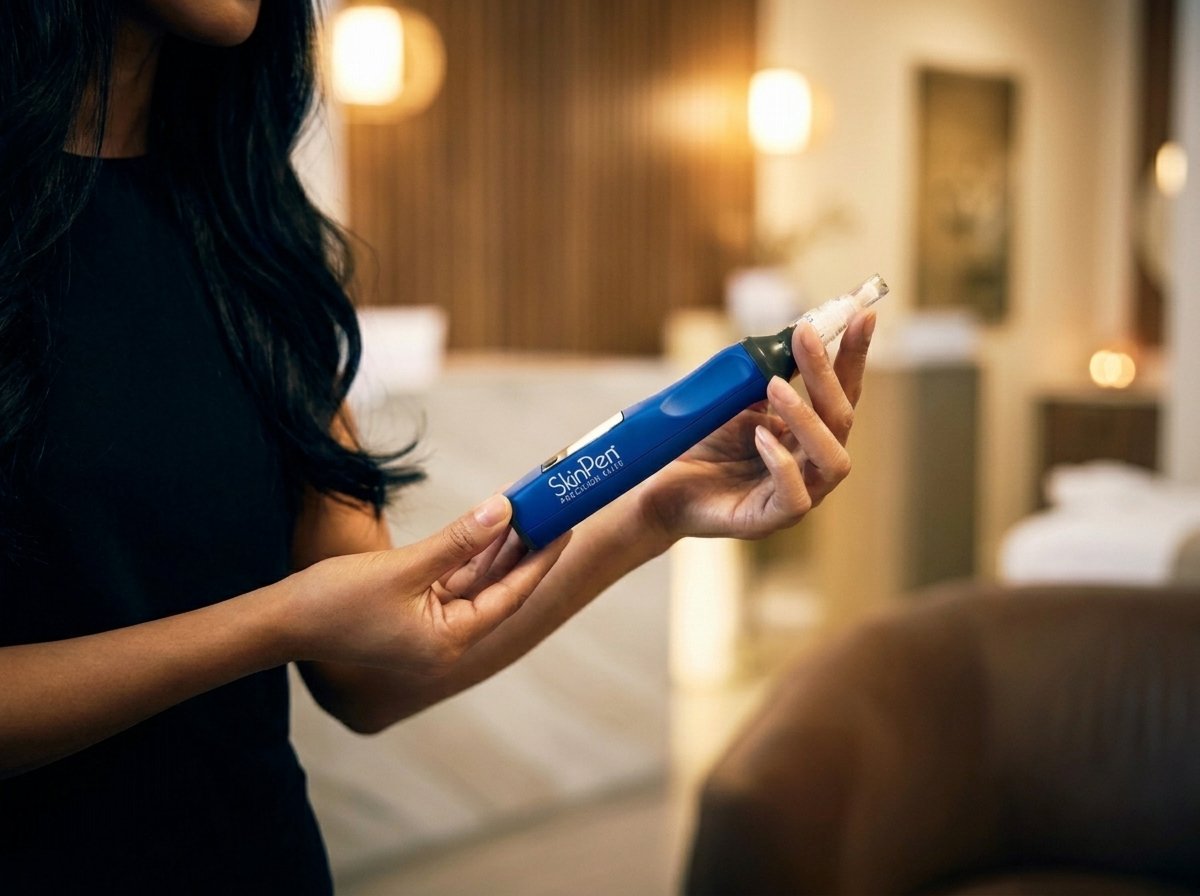
The demographics of patients seeking aesthetic treatment have shifted considerably. A growing number of people in their twenties and thirties seek neuromodulators not to correct established lines but to slow their formation—a preventative approach that is increasingly supported by clinical evidence. Treatments focused on skin quality rather than volume correction, such as chemical peels, microneedling, and intradermotherapy, are appropriate across a wide age range and address concerns that affect younger skin just as often as older skin.
Age is not a criterion for or against any aesthetic treatment. Skin condition, specific concerns, and individual goals are what determine whether and how a treatment is appropriate.
Myth: “Injectable treatments are very painful”
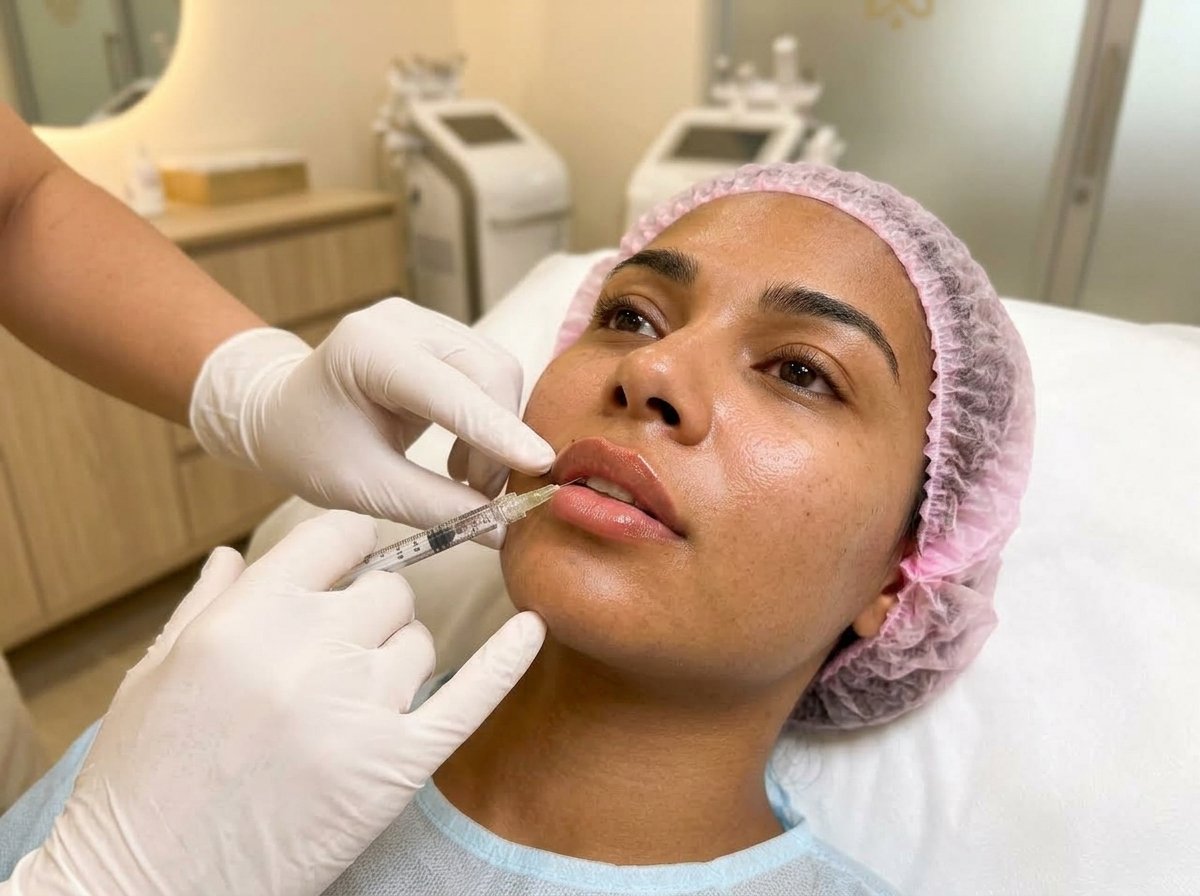
Most aesthetic injectable procedures involve minimal discomfort. Topical anesthetic cream is routinely applied before treatment, typically remaining on the skin for 20 to 30 minutes before any injection begins. The injections themselves are brief, and most patients describe the sensation as a mild pressure or a momentary pinch. A full neuromodulator session—covering the forehead, glabellar region, and around the eyes—is typically completed in fewer than ten minutes.
Patients with significant anxiety about needles are encouraged to discuss this openly with their physician at the consultation. Adjustments to the protocol, including pacing and technique, can meaningfully reduce the experience of discomfort.
Myth: “Once you start aesthetic treatments, you can never stop”
There is no physiological dependency associated with any aesthetic injectable treatment. The concern underlying this myth is usually that discontinuing treatment will leave a person looking worse than they did before they began. In practice, when treatments are stopped, the face returns to the state it would have been in had no treatment been performed—not to a worse state.
The perception of looking “worse” if treatment is discontinued is a subjective comparison against the treated state, not a medical consequence. A well-designed treatment plan that moves incrementally and conservatively does not create a dependency—it creates a long-term option that patients can continue, adjust, or discontinue based on their own preferences.
Myth: “All providers are essentially the same”
This is perhaps the most consequential myth of all, and the one with the most direct implications for safety. The outcome of any injectable procedure is determined in large part by the training, technique, anatomical knowledge, and clinical judgment of the physician performing it. The same product, in different hands, with different levels of expertise, produces entirely different results—and carries entirely different levels of risk.
Medical supervision, clinical credentials, the quality of the products used, and the depth of the consultation are all variables that significantly affect both the safety and the quality of any aesthetic treatment. Choosing a provider based primarily on proximity or price reflects an incomplete picture of what those decisions actually determine.
If you have questions about whether a specific treatment is right for you—or simply want a straightforward, clinical conversation about what the evidence supports—a consultation is the right place to start. At Redna Aesthetics in Puerto Vallarta, appointments are conducted in English, in a private and unhurried setting, by a certified physician with no pressure to commit to any treatment before you are ready. Visit rednaaesthetics.com to schedule yours.